What Make Good Actually Means
Make good clauses require tenants to return premises to a specified condition at lease end. For hospitality venues, this typically involves removing fit-outs, equipment, signage, and sometimes structural alterations. The specific requirements depend entirely on your lease wording. Some leases require return to "original condition." Others specify "base building condition" or allow you to leave certain improvements.
The devil lives in the details. A poorly drafted clause might give your landlord broad powers. A well-drafted clause might limit their claims significantly. We've reviewed hundreds of hospitality leases across Melbourne and Victoria. The variation in make good provisions is enormous.
Common Landlord Overreach
Landlords frequently demand more than they're entitled to receive. We regularly see claims for removal of items the landlord previously approved as permanent improvements. Claims for rectification of fair wear and tear, which most leases exclude. Demands to strip premises back beyond what the lease specifies. Inflated quotes from contractors with cosy landlord relationships.
Your commercial lease lawyer needs to challenge these overreaches directly. Accepting a landlord's initial position without scrutiny almost always costs you money.
The Hospitality Difference
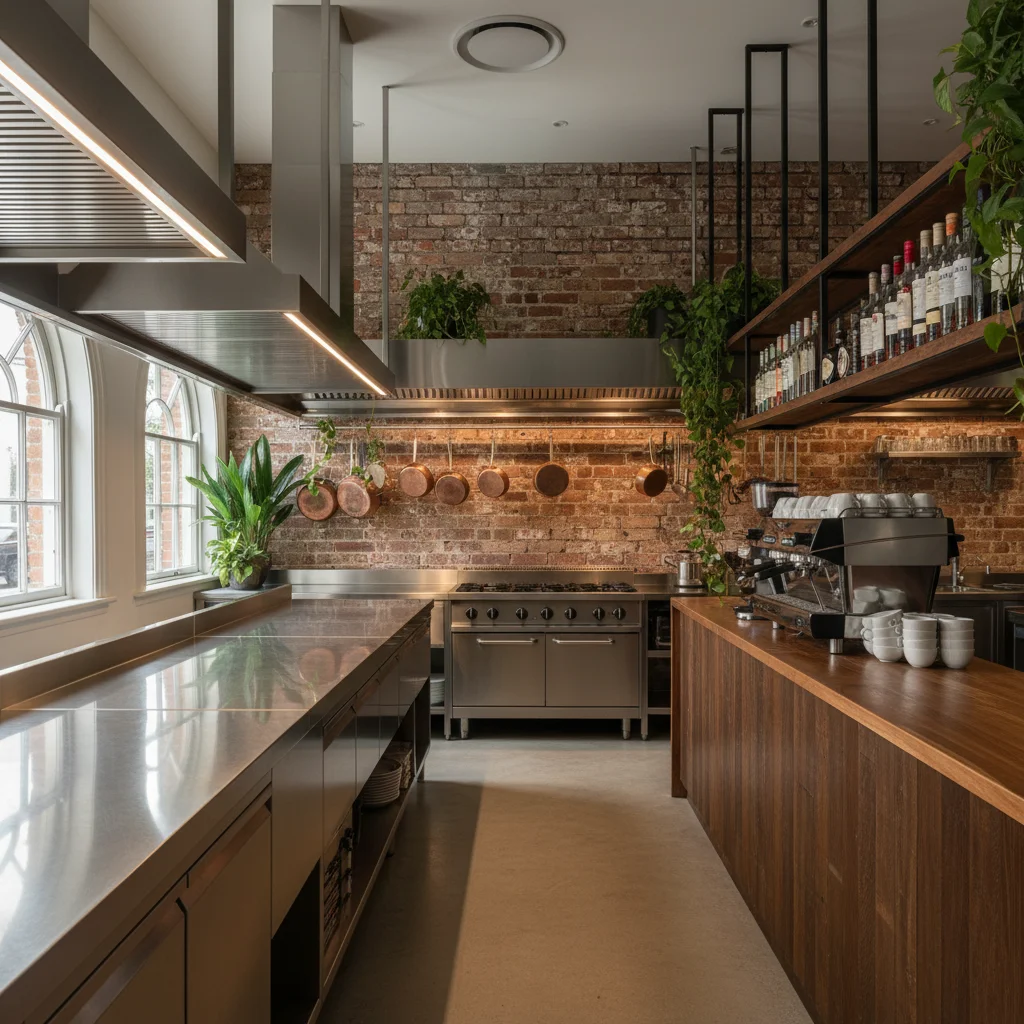
Restaurant lease exit costs differ from standard commercial tenancies. Grease traps, exhaust systems, cool rooms, and commercial gas installations create unique challenges. Some items require licensed tradespeople to remove safely. Others might have heritage or building code implications. We understand these industry-specific issues because hospitality law is our focus.
Timing Matters
Don't wait until your lease expires to address make good obligations. Ideally, review your position six to twelve months before lease end. This gives time to negotiate, plan works if necessary, and avoid rushed decisions under pressure. If you're buying or selling a hospitality business, make good obligations should form part of your due diligence. The incoming tenant might assume these costs, or the sale price might need adjustment.
When Disputes Escalate
Most make good disputes settle through negotiation. Landlords generally prefer a commercial outcome over lengthy legal proceedings. However, some disputes require formal action through VCAT or the courts. We're prepared to take matters further when landlords refuse reasonable positions. Our litigation experience means we can assess early whether your dispute will settle or requires a harder approach.
Regulatory compliance issues sometimes intersect with make good disputes. Council requirements, liquor licensing conditions, or building permits might affect what works you can or must perform. We coordinate these considerations as part of our overall strategy.