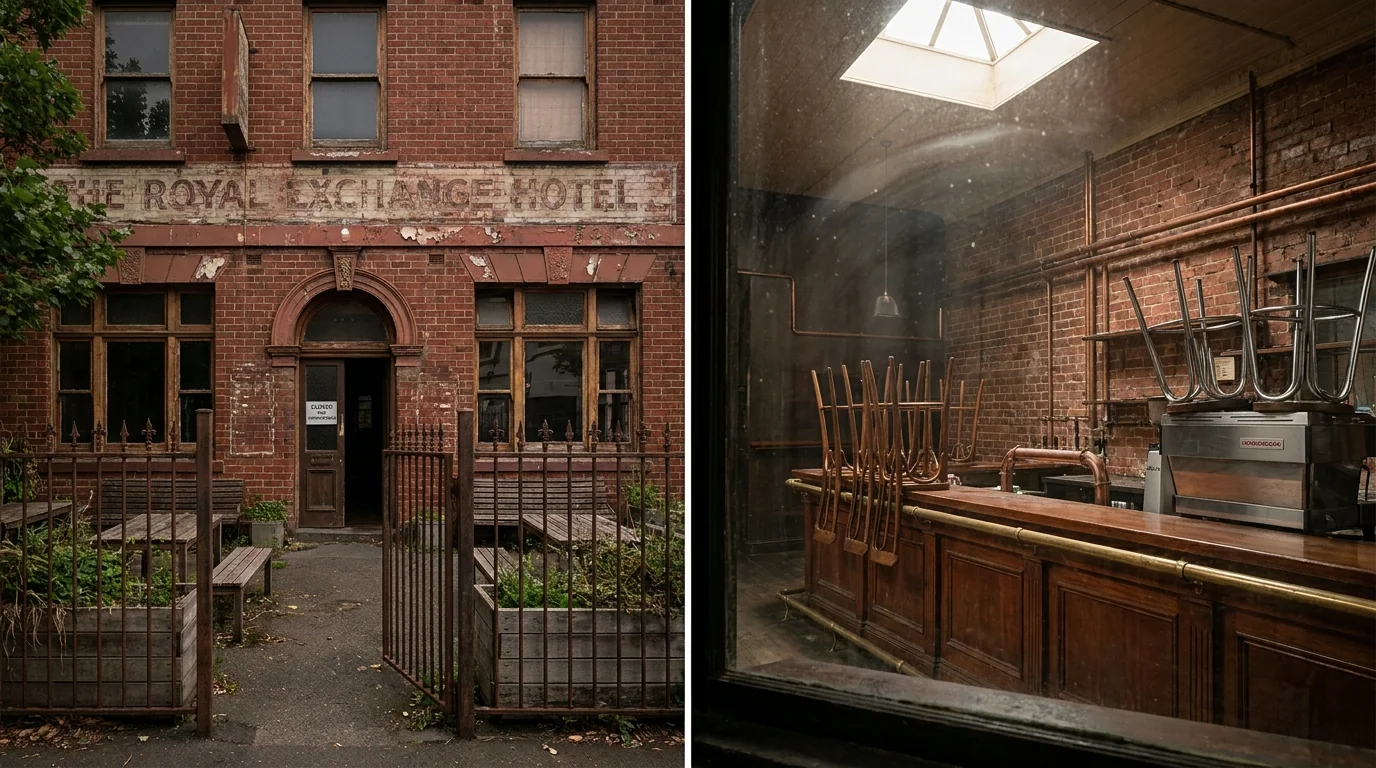
Most Melbourne hospo venue owners decide to sell and expect to list within weeks. That approach leaves money on the table. Buyers conducting commercial due diligence will find every compliance gap, every lease issue, and every difference in your financials. When they do, they either walk away or demand a steep discount.
A 12-month preparation period gives you time to fix problems before they become bargaining power points. The sale of business contract will reflect the state of your venue at the time of sale. A clean, well-documented business gets a higher price. A messy one attracts opportunistic offers.
Months 12-10: Financial Records and Business Structure
Start with your books. Buyers want three years of clean financials, and their accountants will examine every line. If you have been running personal expenses through the business, now is the time to stop. Mixed expenses create doubt about actual profitability.
Get your accountant to prepare proper profit and loss statements, balance sheets, and tax returns. Any differences between your BAS lodgements and your management accounts need explaining. Better to fix them now than during due diligence.
Review your business structure. If you operate through a company, make sure ASIC records are current. If you have multiple entities (one holding the lease, another running operations), document the relationships clearly. Buyers need to understand exactly what they are purchasing.
Check for outstanding ATO debts, superannuation arrears, or unpaid WorkCover premiums. These liabilities will surface during the sale process. According to government guidance on business sales, clearing debts before listing prevents complications during settlement.
Months 9-7: Liquor Licence and Regulatory Compliance
Your liquor licence is often the most valuable asset in a hospo sale. Any conditions, complaints, or compliance history will affect both value and transferability.
Request a copy of your licence from Liquor Control Victoria (LCV) and review every condition under the Liquor Control Reform Act 1998. Are you actually complying with your patron capacity limits? Is your CCTV system meeting the specified requirements? Do your trading hours match what is authorised?
Licence categories like On-premises, Restaurant and Cafe, or Late Night affect the venue's value and the sale process. A Restaurant and Cafe licence is tied to meal service, while an On-premises licence offers more flexibility for bar operations. A Late Night licence is particularly valuable as it allows trading past 1:00 AM, which often makes a venue more attractive to buyers.
If you have had any infringements or complaints in the past three years, gather the documentation. Buyers will ask, and a Victorian hospitality lawyer can help you prepare responses that present the facts without damaging your bargaining power.
Check whether any recent licensing reforms affect your licence category or conditions. Licence transfers require approval, and the buyer will need to satisfy Liquor Control Victoria (LCV) that they are fit and proper persons. Start documenting your compliance history now.
Sale of Business Contract: Lease Considerations
The lease can make or break a venue sale. Buyers want security of tenure. A lease with two years remaining is worth less than one with eight years plus options.
Review your lease terms and make sure the premises comply with the Planning and Environment Act 1987. Any mismatch between your council planning permit and your actual operations will be found during due diligence. Consider the following:
- When does the current term expire?
- Are there unexercised options? When must they be exercised?
- What does the assignment clause require?
- Is landlord consent needed, and on what conditions?
- Are there any personal guarantees that will need releasing?
If your lease is approaching expiry, consider working out a renewal before going to market. A fresh five-year term with options greatly increases your sale price. If the landlord is difficult, a buyer may factor that risk into their offer.
Check for any lease breaches you may have committed. Unpaid outgoings, unapproved alterations, or operating outside permitted hours could give the landlord grounds to refuse assignment consent.
Months 6-4: Employment and Workplace Compliance
Employment liabilities can transfer with the business under the Fair Work Act 2009. While personal and carer's leave must transfer in all cases, a non-associated new employer may choose not to recognise service for annual leave, redundancy, and notice. They will want to know exactly what they are inheriting.
Audit your FOH and BOH employment records:
- Do you have signed employment contracts for all staff?
- Are you paying the correct award rates under the Restaurant Industry Award or Hospitality Industry General Award?
- Have you been calculating overtime, penalty rates, and allowances correctly?
- Are your casual employees genuinely casual, or could they claim permanent status?
If you suspect underpayment issues, address them now. Using the Fair Work Ombudsman self-reporting framework before a complaint is lodged may lead to more manageable outcomes. Understanding how to respond to FWO contact helps you prepare for buyer questions about compliance history.
Calculate accurate leave balances for every employee. These figures will appear in the sale of business contract and affect the settlement adjustment.
Months 3-1: Food Safety and Council Registrations
Your food business registration with the local council must be current. Check the expiry date and make sure you have documentation of recent inspections.
Review your food safety program. Is it being followed? Are temperature logs up to date? Buyers may request copies during commercial due diligence, and gaps suggest operational problems.
If you have had any council complaints or enforcement actions, prepare a summary explaining the circumstances and resolution. A single complaint that was handled properly is manageable. A pattern of issues is a red flag.
Confirm that your Food Act compliance documentation is complete and accessible. Buyers conducting due diligence expect organised records.
Final Month: Preparing for Commercial Due Diligence
The last month before listing should focus on documentation. Create a data room (physical or virtual) containing:
- Three years of financial statements and tax returns
- Current lease and any variations
- Liquor licence with all conditions and correspondence
- Council registration and food safety records
- Employment contracts and leave balance summary
- Supplier agreements and equipment leases
- Insurance policies
- Any intellectual property (trademarks, recipes, branding)
Organise these documents logically. Buyers who can find information quickly move faster toward signing. Those who struggle with messy records become suspicious about what else might be hidden.
What Goes Into the Sale of Business Contract
The contract itself will address asset allocation, employee entitlements, stock valuation, restraint of trade provisions, and settlement mechanics. Having clean records makes drafting straightforward. Gaps and differences create disputes.
Your lawyer should review the contract before you sign. Standard business broker contracts often favour the buyer on risk allocation. A Victorian hospitality lawyer can identify clauses that need negotiation and make sure the settlement adjustments are calculated correctly.
This information is general in nature. Contact us for advice specific to your venue.